The Science of Meditation: Training the Brain to Find Stillness
Meditation is a powerful practice rooted in both ancient wisdom and modern neuroscience. Research has shown that consistent meditation can rewire the brain, reducing stress, enhancing focus, and even shrinking the amygdala—the part of the brain responsible for fear and anxiety. Through different methodologies, you can train your mind to silence the ego and access your inner sanctuary.
The Role of Brainwave Monitoring in Meditation
For beginners, using an at-home brainwave monitor can be a game-changer. Devices like the Muse Headband or EEG-based apps provide real-time feedback, teaching you how to enter deep states of focus. These tools often include easy phone games that help you strengthen your attention span in short 10-minute intervals. As your practice advances, you can graduate to 30-minute sessions, tracking quantifiable data through graphs that reflect your progress.
However, fancy equipment is not necessary. Everything you need to cultivate a profound meditation practice already exists within you. The key is consistency and learning how to detach from your thoughts.
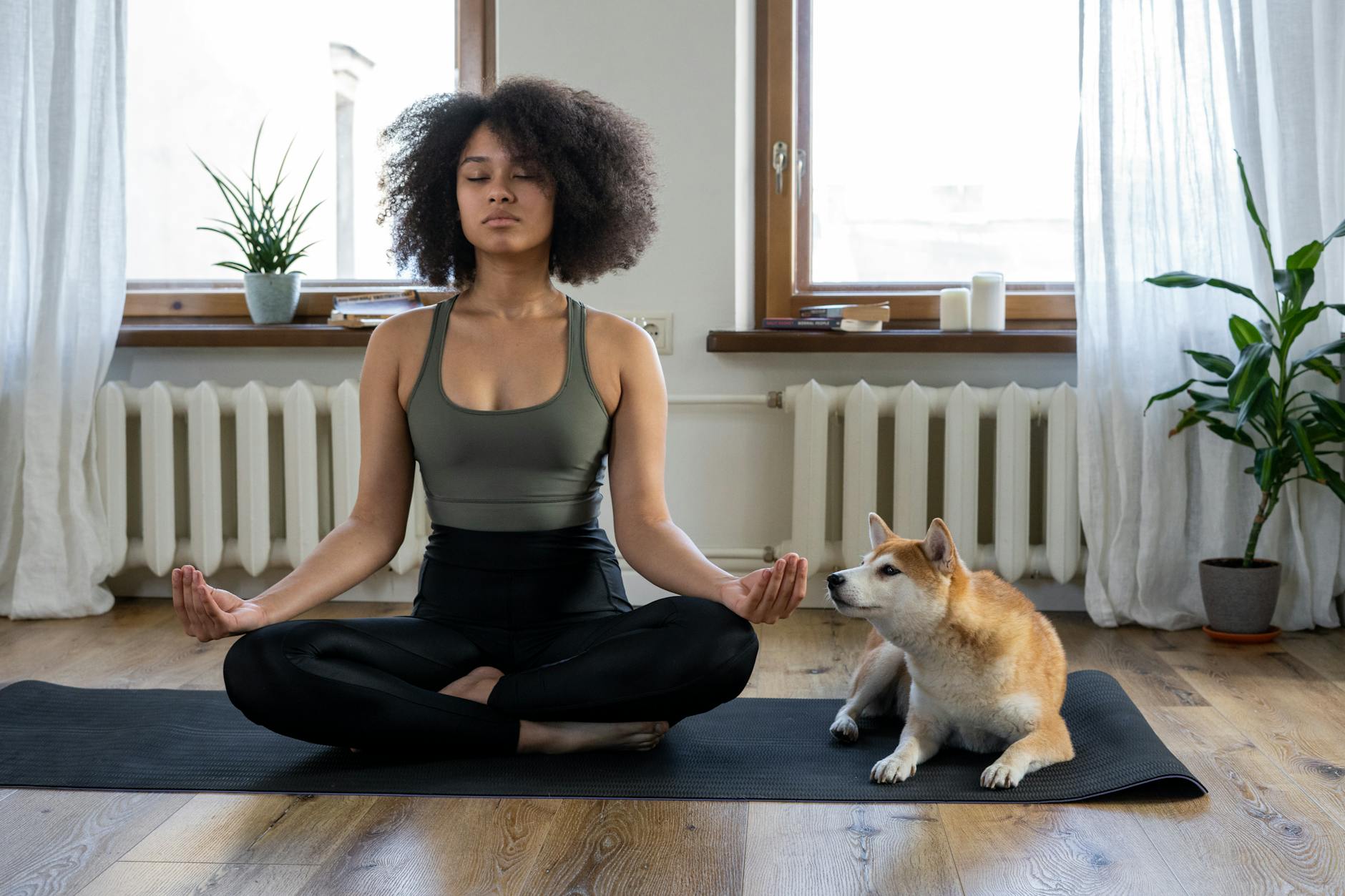
Setting the Tone for Deep Meditation
Creating the right environment is essential for meditation. Here’s how you can optimize your space:
- Choose a Comfortable Space: Sit or lie down somewhere you won’t be disturbed.
- Adjust the Lighting: Dim the lights or use candles to create a calming atmosphere.
- Use Comfort Items: Have a blanket nearby for warmth and comfort.
- Prepare in Advance: Use the restroom before starting so you won’t be interrupted.
- Incorporate Sound: Play soft instrumental music, nature sounds, or binaural beats to enhance relaxation.
Techniques to Quiet the Ego and Find Inner Stillness
1. Observing Your Thoughts Without Judgment
One of the first things you’ll notice when you sit to meditate is that your mind is constantly generating thoughts. This internal dialogue is the ego—not inherently good or bad, just present. The key is to observe these thoughts like clouds drifting in the sky.
- Don’t try to stop thoughts. Instead, acknowledge them and let them pass.
- Recognize that thoughts are not necessarily truth. Some may be habitual patterns or external influences.
- Return to awareness. If you find yourself lost in a train of thought, gently bring your focus back to the present moment.
Over time, the presence within you—the “I AM”—will grow stronger, and the noisy egoic dialogue will fade into the background. This is where true inner peace begins to emerge.
2. Guided Meditation for Focused Intent
Guided meditations can be especially beneficial for beginners. You can find a variety of them on YouTube, focusing on topics such as:
- Forgiveness
- Self-love
- Connecting with your higher self
To stay engaged, try silently repeating the affirmations or phrases you hear. If your mind drifts, simply return to the words being spoken.
3. Early Morning Meditation for Deeper States
A powerful technique is to meditate first thing in the morning, right after waking up.
- When you wake up, your brain is still in the alpha to delta state—ideal for deep meditation.
- By meditating within the first 15 minutes of waking, you can extend this state for an hour or more.
- This allows you to access subconscious layers of the mind more easily, making inner work more profound.
4. Meditation with Music: Binaural Beats and Hemi-Sync
Certain sound frequencies can help deepen your meditation. One of the most effective methods is using Hemi-Sync technology, which involves binaural beats.
- How it works: Each ear receives a slightly different frequency, and your brain reconciles the difference by producing a new frequency.
- The effect: Your brainwaves synchronize with this frequency, helping you enter deep meditative states.
- What you’ll experience: At first, it may feel unusual, but as you relax, you’ll enter a deeply restorative state of awareness.
Using a quality pair of headphones is essential for this method to work effectively.

5. Flame Gazing and Walking Meditation
If sitting still is difficult, try movement-based meditation techniques like:
- Trataka (Flame Gazing): Stare at a candle flame without blinking. This enhances concentration and clears the mind.
- Walking Meditation: Slowly walk, focusing on each step and breath. This method grounds you in the present moment and silences mental chatter.
Breathwork: The Foundation of Meditation
Breathwork is an entire field of practice, but during meditation, simple techniques can help you enter altered states of consciousness.
Beginner’s Breathwork Technique:
- Sit upright with legs crossed.
- Take a deep breath while squeezing the perineum (pelvic floor muscles) toward the spine.
- Tighten your lower abdominal muscles, engaging them in sync with your inhale.
- Contract all muscles in a wave-like motion, drawing energy up toward the top of your head.
- Exhale slowly and repeat.
This practice moves cerebrospinal fluid up the spine, activating the pineal gland and facilitating deeper states of meditation.
Final Thoughts: The Path to Inner Stillness
Meditation is not about achieving a blank mind—it’s about learning to observe without attachment. Over time, with consistent practice, you will:
✔ Develop a deeper awareness of your true self.
✔ Learn to silence the ego’s chatter.
✔ Experience greater peace and clarity.
✔ Strengthen your connection to your inner sanctuary.
No fancy tools are required. You already have everything you need within you. The journey begins with a single breath and a moment of stillness.
By implementing these techniques, you’ll embark on a transformative journey, training your brain to silence the ego and discover the boundless peace within you. Start today—your inner sanctuary awaits.
 Johanna Emily
Leave a comment